Consent is specific, not a blanket permission
Joining a niche dating site communicates interest, not unlimited access. A person can enjoy compliments but not requests, like massage but not photography, or feel comfortable in person while keeping online images private. Ask about the actual action in front of you. General enthusiasm never replaces a specific yes, and past consent never guarantees consent today.
Talk about boundaries before the charged moment
Conversations are easier when neither person is under pressure to keep momentum. Ask what language feels good, what topics stay private, whether photos are welcome, and what should wait until trust develops. Share your own boundaries too. Mutual disclosure prevents one person from feeling examined and frames consent as shared planning rather than a hurdle imposed by the more cautious partner.
Make no easy to say
A useful invitation includes a genuine exit. “Would you like…” is better than “You do like…, right?” Avoid sulking, repeated asking, or making the relationship conditional on immediate participation. If someone hesitates, pause. A hesitant answer is not an enthusiastic yes. When people learn that no will be respected, they can give a more confident yes when they actually want something.
Treat digital material as permanent and sensitive
Before asking for a photo, consider whether the request is necessary, whether identity is visible, and how the image could be stored or copied. Never save, forward, repost, sell, or show private material without explicit permission. A disappearing-message feature does not eliminate risk. If either person is unsure, keep the conversation text-based or use images that do not reveal identity or location.
Check in without breaking the connection
Check-ins can be simple and natural: “Still good?” “Want to slow down?” or “Would you rather stop here?” Pay attention to silence, withdrawal, short answers, or sudden discomfort as reasons to pause and ask. Consent is not only a sentence spoken at the beginning. It is an ongoing quality of the interaction, supported by listening and a willingness to change direction.
Respond well when someone changes their mind
Thank them for telling you, stop the relevant activity, and do not demand an explanation. You can discuss feelings later if the relationship supports that conversation, but the immediate task is respecting the change. A partner who handles a changed mind with steadiness becomes safer to be honest with. That trust matters far more than completing a plan.
Break a broad interest into separate permissions
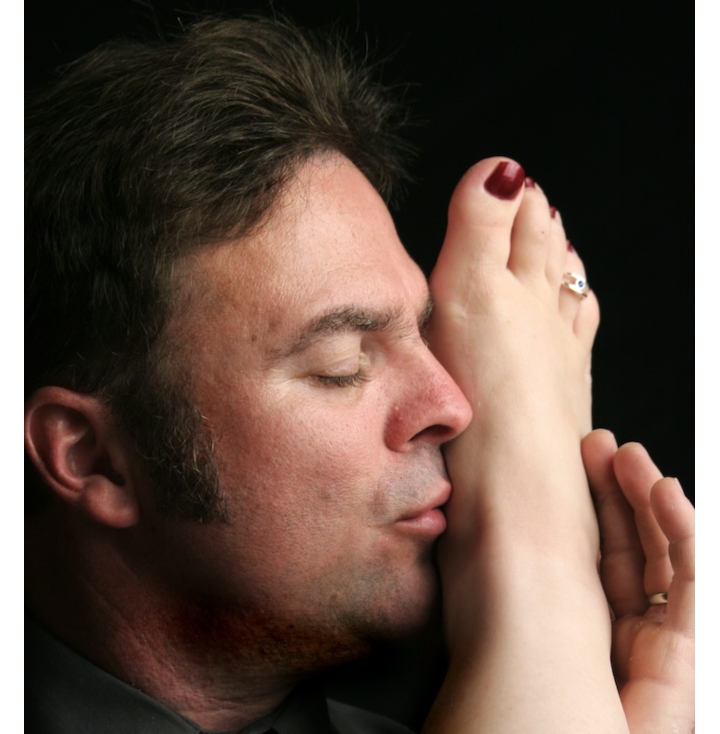
“I like feet” does not answer whether someone welcomes compliments, photographs, massage, kissing, footwear requests, public attention, roleplay or financial exchange. Each is a separate activity with its own context and limit. Ask about the next relevant step rather than presenting an entire checklist during first contact. A yes to one item does not carry into another, and past participation does not guarantee present interest. This granular approach makes consent easier because the other adult is responding to something understandable. It also makes rejection less dramatic: declining a photograph does not have to mean declining the person or every possible form of foot-focused intimacy.
Recognise how pressure hides inside polite language
Pressure is not limited to threats. It can appear as repeated asking, disappointment performed to change an answer, claims that “everyone here does it,” gifts that create obligation or affection withdrawn after a boundary. Even “only if you are comfortable” becomes manipulative when followed by an argument. Watch behaviour after a no. A respectful match changes course without punishment and does not demand reasons. When stating your own boundary, use a complete sentence and avoid over-explaining if explanation invites negotiation. If someone continues, end the conversation, block or report. Consent must remain possible to refuse without losing safety, dignity or control over private information.
Use check-ins that do not interrupt intimacy
A check-in can be simple and specific: “Is this pressure comfortable?” or “Would you like me to continue?” Look for a clear verbal answer and relaxed participation rather than relying on silence. Agree beforehand on language for pausing, especially when a scene, sensory activity or role dynamic could make ordinary speech harder. Afterward, ask how the experience felt without treating feedback as a performance score. Positive consent can be warm and attractive because it reveals attention. The goal is not legalistic dialogue; it is a shared ability to adjust. A partner who knows stopping will be respected has more freedom to participate enthusiastically.
Plan for consent to change over time
A boundary may expand, narrow or remain stable as trust, health, mood and relationship circumstances change. Do not store an earlier yes as permanent permission. Before repeating an activity after time apart or in a new setting, confirm that it is still wanted. Photos require particular care because an image persists after a relationship or mood changes; agree on saving and deletion while acknowledging that technical guarantees are limited. If your own interest changes, say so before resentment develops. Compatibility is not proven by never revisiting agreements. It is proven by the ability to update them without coercion, ridicule or fear that honesty will be punished.
Write a boundary sentence before you need it
Prepare direct language for one common situation: “I do not send private photos before meeting,” “Please ask before commenting that explicitly,” or “I am comfortable with massage but not photography.” A rehearsed sentence is easier to use when attraction or surprise makes thinking difficult. You do not need an apology or a long reason. Also prepare a positive invitation, such as “I enjoy discussing footwear after we know each other better.” Boundaries describe the conditions under which connection can feel good; they are not punishments. A person’s response supplies valuable evidence. Respect builds trust, curiosity supports discussion and repeated negotiation after a clear answer signals that contact should end.
Frequently asked questions
Does joining a fetish dating site count as consent?
No. Membership supplies context only; every message, image, touch and meeting requires its own willing participation.
Can consent be withdrawn during an activity?
Yes. Stop promptly when anyone changes their mind, hesitates or uses the agreed pause signal.
Is silence a yes?
No. Seek a clear response and pay attention to whether participation remains voluntary and engaged.
How should I respond to a boundary?
Acknowledge it, change course and do not demand a justification or reduce affection as punishment.
Do previous photos permit saving new ones?
No. Ask about each exchange and never forward or republish intimate content without explicit permission.