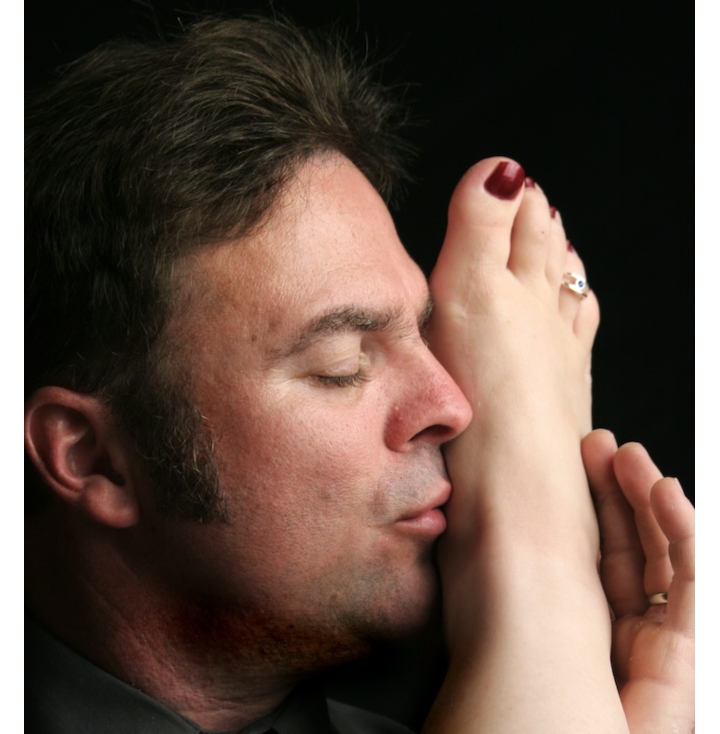
Start with comfort and health
Wash and dry thoroughly, change socks, rotate shoes, and pay attention to persistent pain, broken skin, swelling, or signs of infection. A clinician or qualified foot-care professional is the right source for medical concerns. Dating advice should never encourage you to conceal a condition or use harsh products to meet a stranger’s preference. Comfort is not cosmetic; it affects confidence and everyday mobility.
Choose grooming that belongs to you
Some people enjoy polish, pedicures, natural nails, soft textures, calluses from sport, or particular footwear. None is a universal requirement. Decide what feels clean, comfortable, and authentic. If a match expresses a preference, treat it as information rather than an instruction. You can experiment when you genuinely want to, and decline when a request feels uncomfortable or expensive.
Photograph without giving away your privacy
Use a plain background, natural light, and a frame that does not reveal mail, street views, workplace items, reflections, tattoos, or other identifying details. Remove image metadata before sharing outside a trusted platform if location information could be embedded. Start with a photo you would not panic to see saved. Once an image is sent, you cannot guarantee how it will be stored.
Write about confidence without apologising
Avoid opening with a list of perceived flaws. A warm line such as “I enjoy taking care of myself and I like people who appreciate natural variety” sets a healthier tone. Confidence does not require pretending you love every feature every day. It means choosing partners who do not use insecurity to negotiate your boundaries or sell you a cure.
Handle preferences as a two-way conversation
Attraction is allowed to be specific, but compatibility also requires respect. Ask what the preference means to the other person and share what kinds of attention you enjoy. If their interest depends on constant grooming, costly services, painful shoes, or content production you do not want, the match may be wrong. A good fit makes room for your comfort and ordinary life.
Reject pressure disguised as advice
Be cautious when a match insists you need products, paid treatments, financial “investment,” or body modification before meeting. Do not send money or purchase from a link because someone frames it as proof of commitment. Helpful suggestions are optional and proportionate. Pressure, shame, and financial solicitation are not care, even when delivered as a compliment.
Separate health, grooming and aesthetic preference
Basic care supports comfort and health, while polish colour, hair removal, heel texture and footwear style are personal choices. Do not present a beauty preference as a medical requirement or assume everyone on a foot-focused site wants the same look. Ask what makes the person feel confident and avoid unsolicited diagnoses. Your own routine can be simple: wash and dry carefully, use clean socks and shoes, trim nails safely and address persistent pain, injury or skin changes with an appropriate qualified professional. Confidence grows when care serves the body rather than turning it into a constant project evaluated for strangers. Dating never requires perfection.
Prepare for a date without overcorrecting
Sudden aggressive filing, cutting, chemical treatments or unfamiliar products can irritate skin immediately before meeting. Use the routine your body already tolerates and choose comfortable clean footwear suitable for the venue. If you have a condition that affects comfort, plan around it rather than hiding pain to meet an imagined fetish standard. You do not owe a foot reveal on a first date. A person attracted to feet should still be capable of ordinary conversation and respect. Preparation should make you feel physically comfortable and present, not anxious that one minor detail will invalidate the entire connection. Anyone who grades you harshly has supplied useful incompatibility information.
Respond to compliments without surrendering control
You may enjoy a specific compliment, prefer general appreciation or dislike comments before trust develops. State the preference. A flattering message does not require a photograph in return, and a date’s attraction does not decide what shoes you wear or whether touch occurs. If attention feels too intense, redirect the conversation and observe the response. A respectful match can appreciate your body while remaining interested in your ideas, humour and boundaries. Confidence is not the ability to accept every compliment; it is the ability to choose what kind of attention feels good and end contact when admiration becomes inspection, instruction or entitlement.
Build body confidence through evidence you control
Choose actions that do not depend on strangers: wear something comfortable, take a private photograph you like, notice what your feet allow you to do, or write a profile sentence that describes your style without apology. Avoid comparing yourself with edited content or creator imagery designed for a different purpose. If a photograph is shared, use a neutral background, remove identifying details and decide in advance what level of exposure you can accept. Confidence can coexist with privacy and with days when you feel less attractive. The dating goal is not universal approval. It is finding adults whose attraction and communication allow you to remain comfortable in your own body.
A confidence standard that belongs to you
Decide what “date-ready” means before viewing anyone else’s preferences. It might be clean comfortable feet, familiar moisturiser, trimmed nails and shoes that suit the plan. Stop there unless another choice genuinely pleases you. Do not let a stranger’s rating system become your care routine or interpret one rejection as a universal standard. If you enjoy polish, pedicures or decorative footwear, present them as self-expression rather than admission requirements. The right match can have preferences while speaking with kindness and accepting that your body remains yours. Confidence is strongest when attention feels enjoyable but is not necessary to prove health, femininity, masculinity, attractiveness or membership in the community.
Frequently asked questions
Do my feet need to look perfect for fetish dating?
No. Preferences vary, and respectful dating values health, comfort, personality and consent rather than a universal appearance standard.
Should I change my grooming for a match?
Only if you genuinely want to; requests are not obligations and should never override comfort or health.
What should I do about persistent pain or skin changes?
Seek advice from an appropriately qualified health professional rather than relying on a date’s opinion or online diagnosis.
Must I show my feet on a first date?
No. Clothing, footwear, photographs and touch remain your choices at every meeting.
How can I handle critical comments?
State the boundary, end the interaction if needed and treat body-shaming or grading as evidence of poor compatibility.